
In 2016, I learned something that changed how I saw myself and my entire life.
I found out that my great-grandmother had been a curandera, a traditional healer who worked with plants, prayer, and spirit. The moment I heard those words, I burst into tears.
I finally made sense to myself!
I let those deep, body-shaking tears fall, like something ancient inside me had finally been seen and named.
My whole life suddenly made sense.
Since 1997, I had felt an almost magnetic pull toward herbal medicine. I trusted the plants instinctively. I talked to them. I listened to them. I built my life around them and raised my children with them. But I never quite knew why it felt so natural and familiar because I certainly wasn't raised like this!
My path wasn’t always supported either.
My choices were questioned, and sometimes even ridiculed. People didn’t understand why I wanted to do things differently, or why I trusted plants rather than the standard pharmaceutical approach.
The warning labels on many pharmaceutical drugs scared me more than the illnesses themselves. The plants, when used properly, felt like a gentler and safer path for my children.
I was the one raising my children, tending their fevers, their coughs, their sleepless nights.
And again and again, the plants worked. These consistent successes gave me the confidence to keep going.
Learning about herbal medicine felt so easy to remember and made so much sense to me from the very beginning.
So, when I heard about my great-grandmother, I felt it in my bones:
She had been there by my side all along.
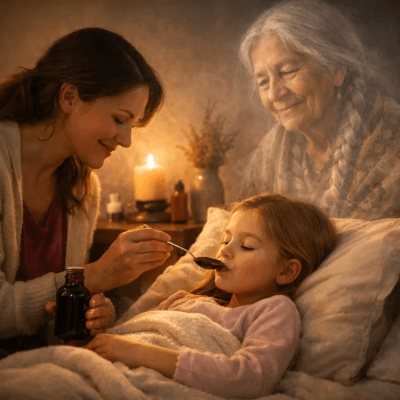
I truly believe she was the one whispering in my ear, saying:
“Trust the plants. They work.”
That simple truth has guided my entire path, through raising my children, supporting clients, studying herbal traditions, then adding (and teaching) my grandchildren, and now sharing this work with others.
And today, modern science is beginning to confirm what our ancestors already knew. I say that a lot in everything I do, I know. But that's because it's true!
Long before laboratories, microscopes, and clinical trials, humans turned to plants for healing.
Archaeological evidence suggests that our ancient ancestors used medicinal herbs not only for illness, but also in burial rituals, indicating a relationship with plants that was both practical and spiritual.
Modern science often focuses on the chemical constituents of plants, but for most of human history, healing was guided by instinct, observation, and relationship.
Animals know which plants to seek out when they're sick. Bears eat certain roots (they love Osha root). Chimpanzees swallow bitter leaves to expel parasites. Birds line their nests with aromatic herbs to protect their young.
Humans are animals, too. For tens of thousands of years, we lived close to the land, watching, listening, and learning... all in sync with the seasons and natural rhythms around us.
We were an embedded part of Nature.
Our ancestors didn’t have laboratories, but they always had dreams, intuition, and deep observation and connection to the natural world.
Many traditional healers still say, “The plants taught us.”
And I believe they did.
Modern science is also beginning to confirm something traditional healers have said for centuries:
plants communicate.
Researchers have discovered that plants send chemical signals through the air, share nutrients and information through underground fungal networks, and even respond to vibration and sound.
Some modern explorations, like those discussed in The Telepathy Tapes, go even further, asking whether communication between humans and plants might be more direct than we once believed.
Science is still catching up to these questions.
But in many traditional cultures, the answer has never been in doubt.
The plants speak.
And those who listen can hear them.
I believe they always have.
One of the most powerful and widely used examples of our ancestors' ancient wisdom and skills in medicine making is Elderberry Syrup.
Across many continents, people have turned to dark berries, warming spices, and aromatic roots to support their loved ones through common viral infections. These formulas were shaped throughout countless generations.
The syrup I’ve made for my family for decades is built on a simple but powerful structure:
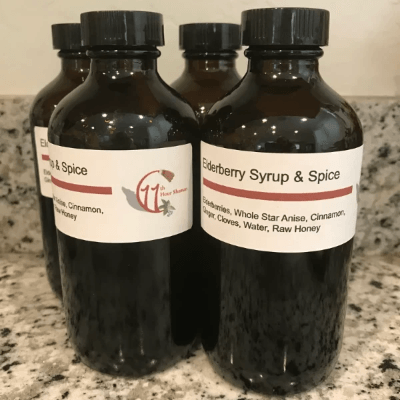
- Elderberries for antiviral support and immune modulation
- Warming spices like cinnamon, ginger, and clove to stimulate circulation and fight microbes
- Aromatic whole star anise to support the lungs and help inhibit viral replication
- And sometimes apple, for its soothing pectin and quercetin content
This combination creates a formula that is:
- Antiviral
- Warming and circulatory
- Immune-supportive
- And soothing to the respiratory tract
Each plant in this simple syrup contributes its own protective compounds, creating a layered and effective formula.
Elderberry (Sambucus nigra)
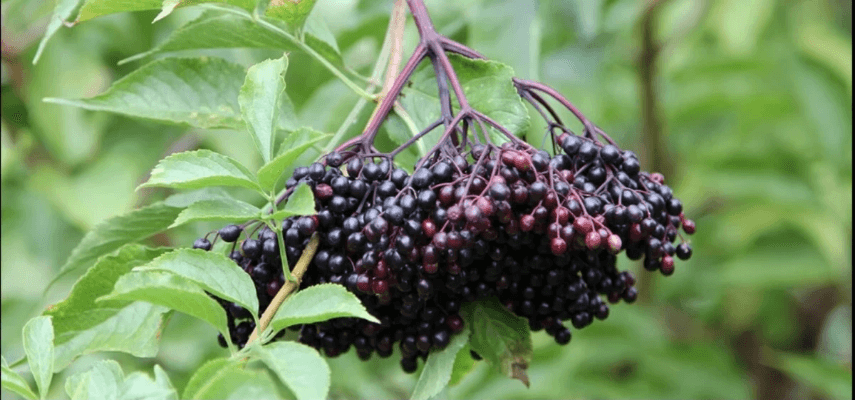
Elderberries are rich in:
- Anthocyanins
- Flavonoids
- Polyphenols
These compounds have been shown to:
- Block viruses from attaching to host cells
- Reduce viral replication
- Support and modulate the immune response
Clinical studies on elderberry extracts have demonstrated:
- Shorter duration of flu symptoms
- Reduced severity of illness
From a traditional perspective, Elderberry’s sour taste makes it slightly astringent, helping to tone and tighten the mucous membranes and strengthen the body’s natural defenses.
Whole Star Anise (Illicium verum)
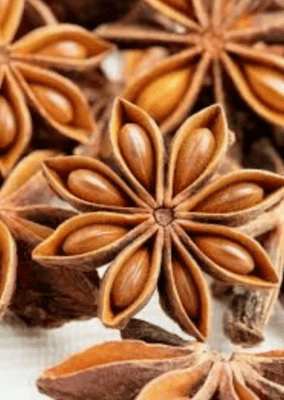
Star anise contains:
- Shikimic acid
- Aromatic volatile oils like anethole
Shikimic acid is the same compound used as a precursor in the production of the antiviral drug oseltamivir (Tamiflu). In its natural form, star anise:
- Interferes with viral replication pathways
- Provides antimicrobial support
- Acts as a warming expectorant for the lungs
Traditionally, star anise has been used to:
- Ease coughs
- Support digestion
- Warm and circulate stagnant fluids
Cinnamon (Cinnamomum spp.)
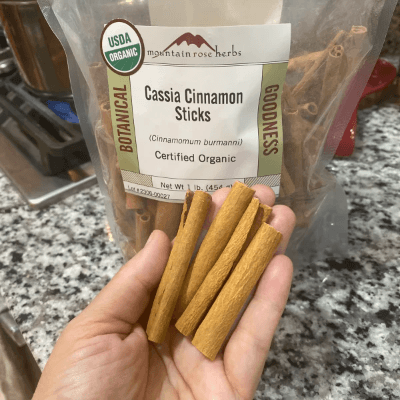
Cinnamon contains:
- Cinnamaldehyde
- Eugenol
- Polyphenols
These compounds are known for:
- Antimicrobial activity
- Anti-inflammatory effects
- Improved circulation
In traditional herbalism, cinnamon is considered:
- Warming
- Circulatory
- Protective during cold, damp illnesses
It helps bring warmth and movement to a body that feels chilled, congested, or sluggish.
*Just a note, I use whatever type of Cinnamon I have available! Cassia or Ceylon.
Ginger (Zingiber officinale)
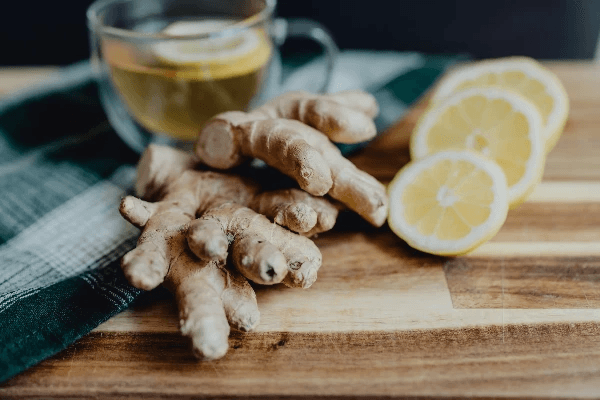
Ginger is rich in:
- Gingerols
- Shogaols
- Zingiberene (terpene)
- Zingerone
- Paradols
- Various antioxidants
Modern research has shown ginger to have:
- Anti-inflammatory properties
- Antiviral activity in some respiratory viruses
- Circulatory and immune-supportive effects
Traditionally, ginger:
- Warms the body
- Improves circulation
- Helps break up mucus and stagnation
- It is one of the most widely used herbs across cultures for colds, flu, and digestive upset.
Clove (Syzygium aromaticum)
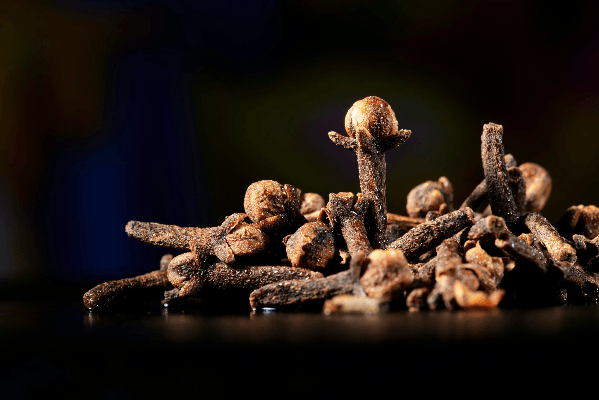
Clove is especially high in:
- Eugenol
This compound has:
- Strong antimicrobial activity
- Antiviral effects
- Mild analgesic properties
Traditionally, clove has been used for:
- Sore throats
- Toothaches
- Respiratory infections
It brings a deep, penetrating warmth to the formula and helps prevent secondary infections.
Apple (Malus domestica)
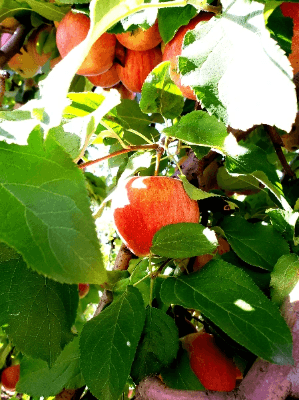
When apple is added, especially with the peel, it contributes:
- Quercetin
- Pectin
- Polyphenols
Quercetin has been shown to:
- Inhibit viral entry into cells
- Reduce inflammation
- Support immune balance
Pectin provides a soothing, demulcent effect on irritated tissues, especially in the throat.
Traditionally, apples are considered:
- Nourishing
- Moistening
- Safe and gentle for children and those recovering from illness
A Layered Antiviral Strategy
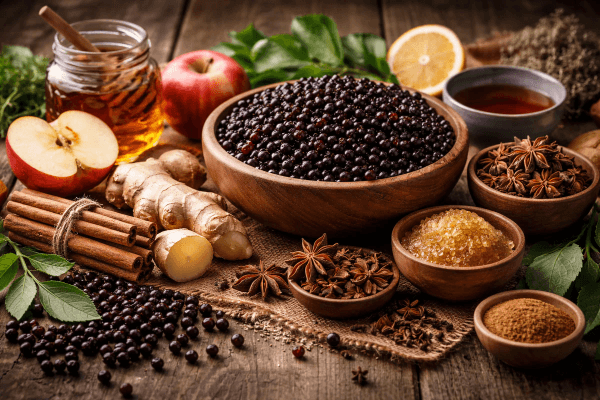
When combined, these plants create a multi-level approach:
- Elderberry and quercetin help block viral entry into cells.
- Star anise interferes with viral replication.
- Cinnamon, Clove, and Ginger provide antimicrobial and circulatory support.
- Apple and Elderberry soothe and tone the tissues.
This is not a single isolated compound acting alone.
It's a synergistic formula, where each plant supports the others and the body as a whole.
Modern science is now describing these mechanisms in terms of:
- Flavonoids
- Polyphenols
- Volatile oils
- Antiviral pathways
But traditional healers didn’t need those words to know it worked.
They watched, listened, and learned from the plants themselves... and from the people they cared for.
Suggested Dosages
These are traditional, home-use guidelines based on how this syrup has been used in my own family and community. Individual needs can vary, and it’s always wise to listen to your body and consult a qualified practitioner when needed.
Adults
For acute illness:
- 1 tablespoon every 30-60 minutes while awake
For prevention or recovery:
- 1 tablespoon once or twice daily
Children (weight-adjusted dosing)
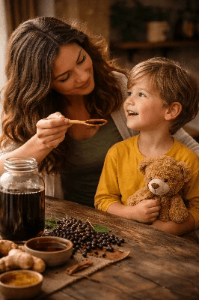
Children can be dosed proportionally based on body weight, using a 150-pound adult as the standard.
Simple guideline:
- 75 pounds → ½ adult dose
- 50 pounds → ⅓ adult dose
- 25 pounds → ⅙ adult dose
So if the adult dose is:
- 1 tablespoon, then:
- 75-lb child → ½ tablespoon (1½ teaspoons)
- 50-lb child → 1 teaspoon
- 25-lb child → ½ teaspoon
Pregnancy

I’ve even seen this syrup used gently during pregnancy. One of my daughters chose to take small amounts when she became ill while expecting.
The spices in this formula are all familiar kitchen herbs, and in normal culinary amounts, they're generally considered appropriate during pregnancy. Still, every pregnancy is different, and it’s always wise to consult a qualified practitioner when using herbs during this time.
If used during pregnancy, a more conservative approach is recommended:
During illness:
- 1 teaspoon up to 3-4 times per day
For prevention or recovery:
- 1 teaspoon once daily, or as needed
The key is to keep the dosing gentle and occasional, more like a supportive food than a strong medicinal dose.
Optionally, you can make this syrup with just Elderberry and Apple if you're nervous about taking the other herbs while pregnant.
There are plenty of other herbs that can be safely taken during pregnancy when sick with a viral infection! No need to put all your herbal medicine in ONE formula! Ha!
Can you see it now?
This is the True Power of Elderberry Syrup...
This is the True Power of Elderberry Syrup...
Relationship.
It's the generations of mothers, grandmothers, and healers who stood at the stove, simmering dark berries and warming spices, trusting the plants to care for their families.
Long before laboratories, microscopes, and clinical trials, people observed what worked. They listened to the seasons, the animals, their dreams, and the plants themselves.
The plants are benevolent and generous when they offer us their whole healing properties.
Today, modern science is beginning to describe these relationships in the language of chemistry and biology. We now know about quercetin, shikimic acid, polyphenols, and antiviral pathways.
But the plants have been working all along.
When I learned that my great-grandmother was a curandera, something inside me finally relaxed. The unconventional path I had followed for so many years suddenly made sense. It wasn’t strange. It wasn’t wrong.
It was inherited.
I still hear those loving whispers that have guided me since the beginning:
Trust the plants. They work.